
A Smarter Way to Manage Your Office
Visit Site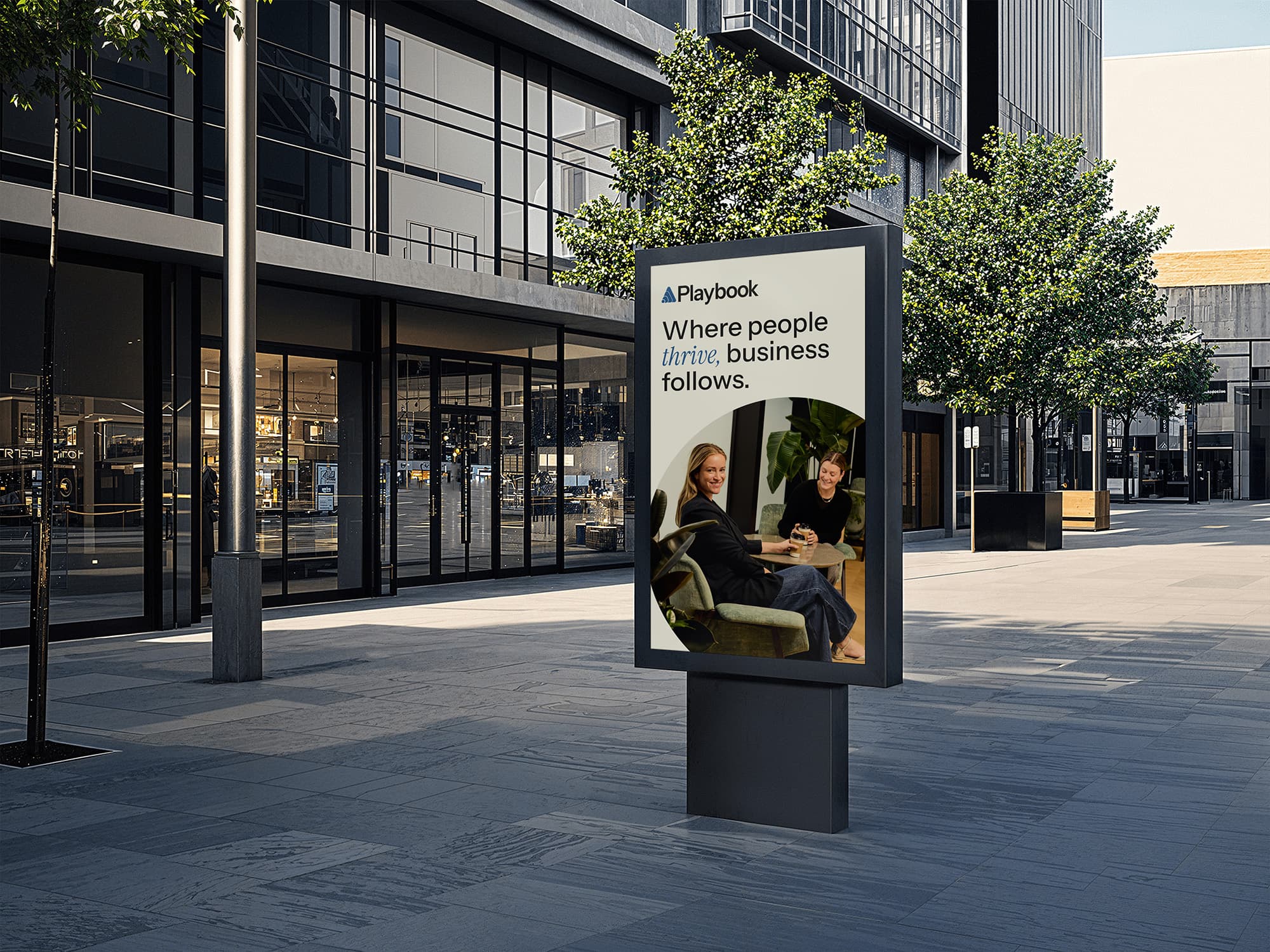
The Situation
Playbook (formerly Lulafit) was in the middle of a full rebrand. They had an outsourced WordPress site managed by a third party, and it no longer reflected where the company was heading. The brand name was changing, the positioning was changing, and the old site couldn't keep up. I was on the team internally and recommended we stop paying an outside developer, bring it in-house, and build something we fully controlled.
What We Built
Taking It In-House
The previous site was a WordPress build maintained by an external agency. Every update required a ticket. Every change had a turnaround. I pitched building the new site internally using Next.js and Sanity, giving our team full ownership of the content and the codebase. Leadership approved, and I became the sole designer and developer on the rebuild.
An external designer had created an initial concept in Figma. I used that as a starting point but made significant enhancements throughout the process: refining layouts, designing custom components, improving the overall user experience, and building out pages and sections that weren't in the original concept.

Design
The new brand needed to feel warm, confident, and enterprise-ready. Playbook works with major commercial real estate clients like MetLife (425 Market), Ponce City Market, and 801 Brickell. The site had to speak to building owners and property managers who are evaluating serious operational partnerships.
We built a visual system around cream tones and deep blue accents, using real photography from Playbook's properties to ground everything in the actual work. The site leads with outcomes and real-world scenarios rather than feature lists, helping facility managers and office leads see themselves in the product.

Custom Components
Beyond the standard page builds, I designed and developed several custom components that became signature pieces of the site.

Playbook Pulse
One of the most unique features on the site is Playbook Pulse, a dedicated content hub where the team publishes industry trends and market insights. Visitors can sign up to receive these directly, turning the site into a lead generation tool on top of a marketing site. The Pulse pages showcase data and perspectives in a format that feels more like a digital publication than a typical company blog.
This wasn't a standard blog template. The layout and presentation were designed to make Playbook's thought leadership feel premium and worth subscribing to.

Development
The site runs on Next.js with Sanity as the CMS. This was a deliberate choice: the Playbook team needed to publish content, update case studies, manage team bios, and add new properties without filing a developer ticket every time. Sanity gives them a visual editing experience while the Next.js frontend keeps performance tight.
The architecture handles a lot of content types: case studies with location-specific photography, a full team directory, careers listings, service breakdowns with video embeds, and the Pulse content hub. All of it is manageable by the internal team.

The Impact
Eliminating the third-party developer saved the company both money and time. Updates that used to take days now happen in minutes. The team recognized the work at Playbook's annual all-hands meeting, where the site rebuild received a company-wide award.


The Outcome
- Replaced an outsourced WordPress site with a fully in-house Next.js + Sanity build
- Gave the team complete control over content publishing, no developer dependency
- Delivered a brand-forward site that matches Playbook's rebrand from Lulafit
- Built Playbook Pulse, a custom content hub driving newsletter signups and lead generation
- Recognized with a company-wide award at the annual all-hands meeting
- Eliminated ongoing third-party development costs